History is important to us. It represents how we've grown, the things we've learned, and the experience we bring to the table. Landtran Systems has a history dating back to the 1930s-and from our humble beginnings, we are proud to have grown into one of Western Canada's leading carriers.
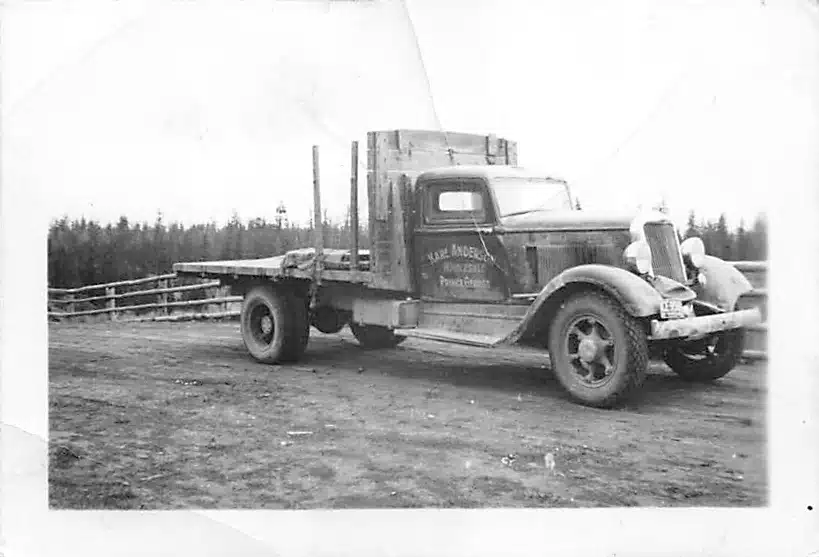
John Assman Sr. gets his start in the trucking business, hauling beer in the Prince George, British Columbia area for Karl Anderson.
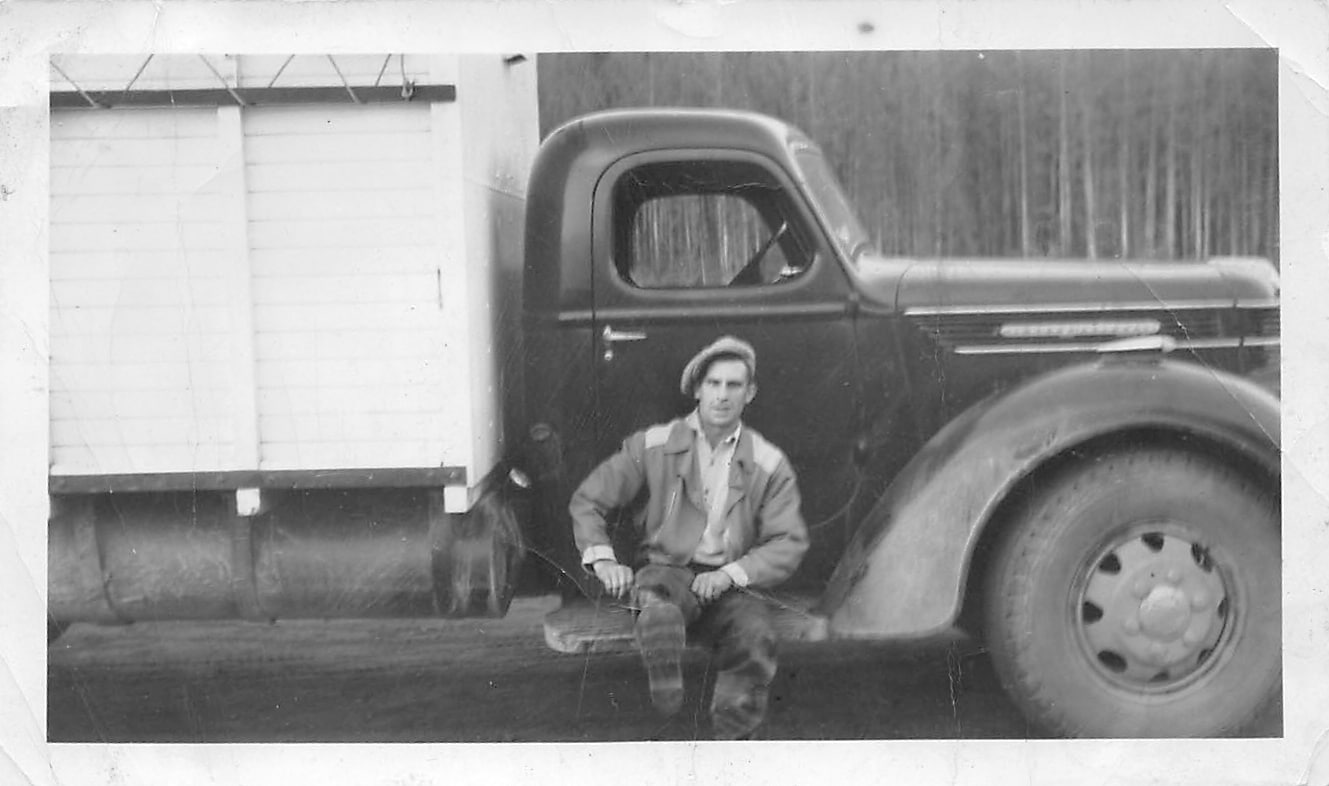
John Assman Sr. purchases Anderson's business and renames it Prince George Warehousing Co. Ltd.
John's son Herb takes over operations. Herb grew the business over the next two decades, expanding into warehousing and distribution.
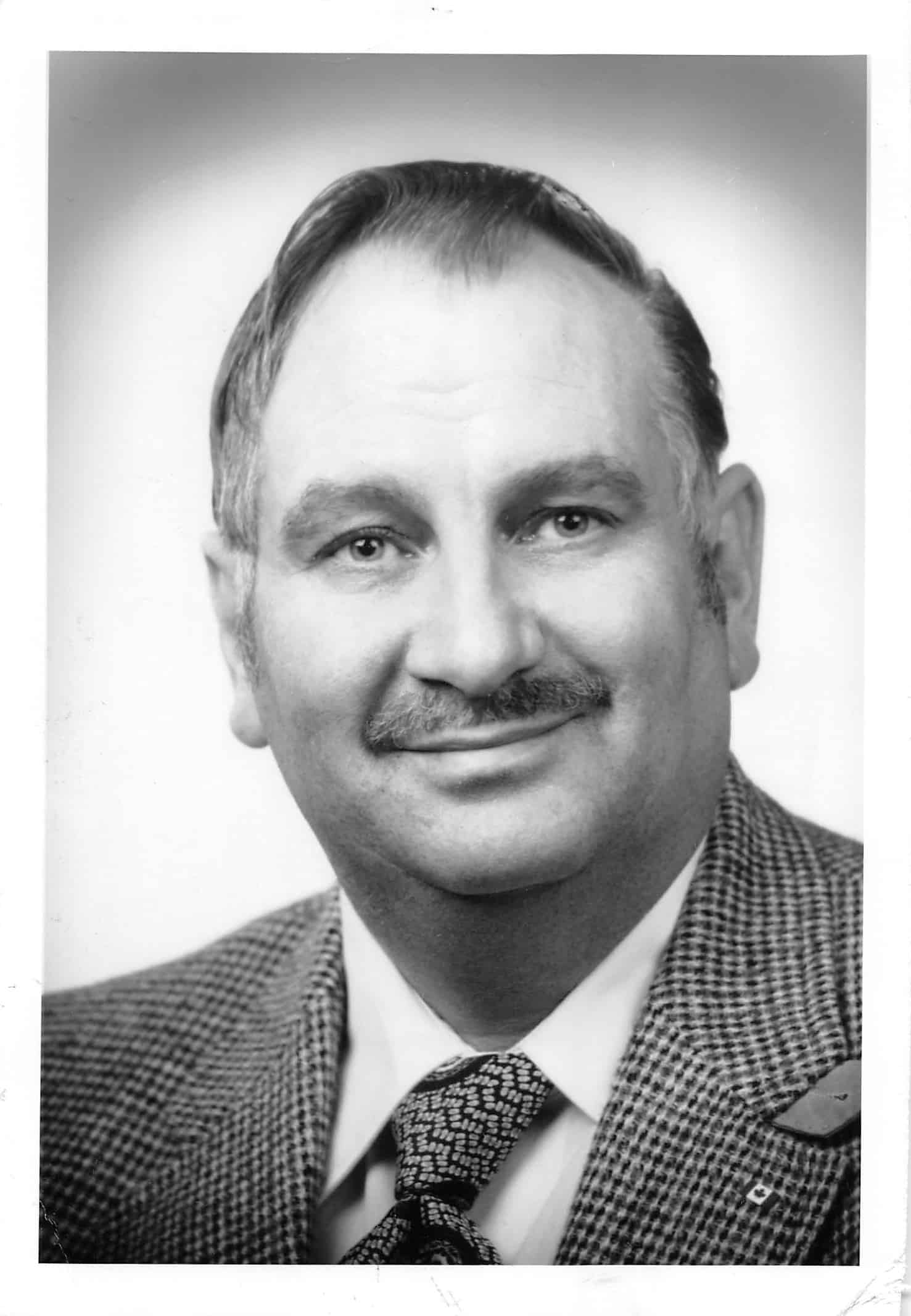

Herb and Elie Musa begin general freight service between Prince George and Vancouver under the name of Northern Interior Fastfrate Ltd. They would grow this company to serve all of Northern British Columbia, with hub terminals in Edmonton and Vancouver.
Herb's son John Assman Jr. becomes an integral part of business operations as Chief Operating Officer, eventually taking over the position of President & CEO
Prince George Warehousing purchases Byers Transport Ltd. and Monarch Transport from Laidlaw, adding their huge base of operations across British Columbia, Alberta, the Northwest Territories and the Yukon. Prince George Warehousing would eventually be renamed Landtran Systems Inc.
Landtran Systems establishes Pacific Coast Express Limited to expand LTL and distribution services to and from California, Oregon and Washington back into Western Canada.

Landtran Systems establishes another new company, Continental Cartage Inc., to expand into flat deck services. The company adds a heavy haul component to the Assman family's roster of companies.
A joint venture company with the Tli Cho (Dogrib) Nation in the Northwest Territories is next to be established. The company is named Tli Cho Landtran Transport Ltd. and is created to provide service to and from the growing mining and industrial complexes in the Northwest Territories.
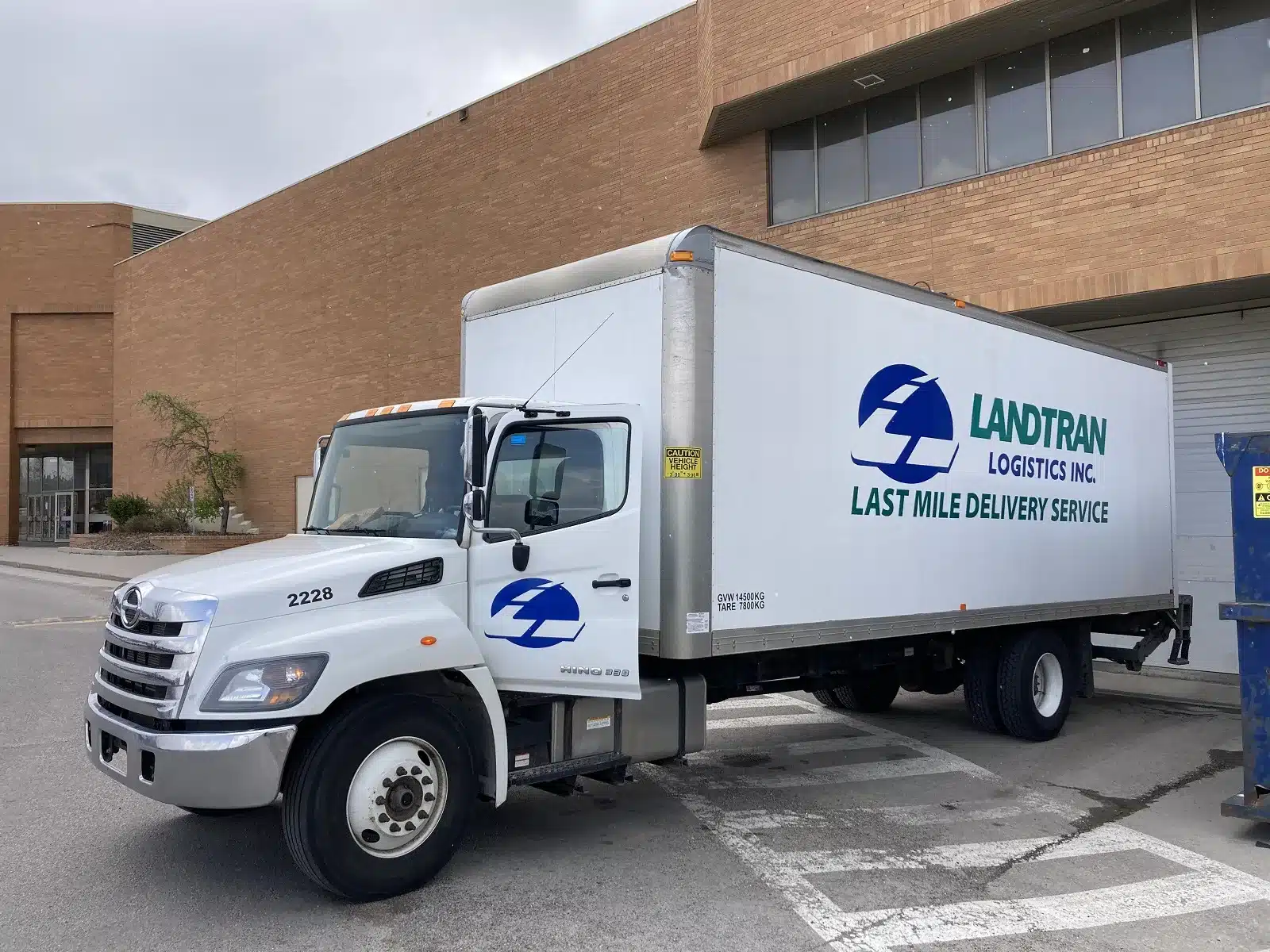
Landtran Systems establishes Landtran Logistics Inc. The company quickly grows into warehousing and dedicated distribution serving all of Western Canada.

The company acquires assets & rolling stock of Wrays Trucking Ltd, contributing to the Landtran Group's logistics and management services.
Landtran Systems acquires assets & rolling stock of ENS Transport Ltd., adding capacity to the Monarch Transport company fleet. The company also purchases 2-Way Enterprises, which diversifies Tli Cho Landtran's business in ice road construction, rock quarry operations and marshalling.

Landtran Systems sells shares in Byers Transport Ltd. to Transforce. Also acquires assets & rolling stock leases of Horton Distribution Services Inc. and Deck West Transportation
Landtran Systems acquires shares of Valley Roadways Ltd, adding to their flat deck service in British Columbia.
Landtran enters into an agreement with entities owned by the Fort McMurray #468 First Nation to form Christina River Landtran Transport Inc. in order to offer the entire Landtran Systems Transportation Service Package to the local Oil Sands Industry.
Landtran also re-enters the domestic LTL business with the incorporation of Landtran Express Inc. a regional LTL carrier.
Landtran acquires 100% of the business assets of Custom Carriers and Oilfield Hauling Ltd. creating Custom Landtran Carriers Inc. and enters the segment of specialized heavy haul transportation services.


Landtran Systems terminates partnership with the Tli Cho and partners with the Yellowknives Dene First Nation to form Det’on Cho Landtran Transport
Landtran Systems purchases Northwoods Oilfield Hauling, a Grande Prairie Based Frac sand hauler.
Landtran Systems Sells Pacific Coast Express to the Mullen Group and Landtran Express to Reimer World Corp.
Valley Roadways and Custom Landtran Carriers are absorbed into Continental Cartage.